Most founders build a brand before checking whether they can own it. The legal groundwork such as trademark registration, IP assignment, territory coverage should come first, not after launch.
This article covers the legal architecture behind brand protection: what trademarks actually cover, who owns a logo when a freelancer creates it, what AI-generated design does to your IP position, and why timing matters far more than founders assume.
A Brand Is Not Just a Logo
Brand designers will tell you that a brand is a system: visual identity, positioning, tone of voice, and naming strategy. They are right.
But a brand is not just that, a brand name, a logo, a colour combination, or a tagline can each constitute protectable intellectual property. That protection only materialises if you handle ownership and registration correctly.
The commercial stakes are real. Brand equity research puts the value of a company’s brand at between 25 and 30 % of total company value, which makes it a balance sheet consideration as much as a marketing one.
Who Owns Your Brand Name?
Ownership of a brand name, for the purposes of excluding competitors and enforcing your rights, comes from trademark registration. That means that it’s not enough to just register a domain or incorporate your company.
What can be trademarked? A trademark can be a name, a logo, a phrase, or a combination of these.
Trademarks need to be
- Distinctive
- Not descriptive
- Not misleading.
“Fast Cancer Cure” fails because it’s descriptive and according to the current state of affairs also misleading.
Similarity to existing marks is the most common reason a name fails legal viability checks. Trademark registries assess the likelihood of consumer confusion based on phonetic, visual, and conceptual similarity, and on the overlap of goods and services. A name that sounds like an established brand in an adjacent category is a problem, even if it is not an exact match.
The practical consequence: trademark viability should be checked before you invest in brand development, not after.
Trademark Registration: What It Does and What It Does Not Do
A registered trademark gives you the exclusive right to use that asset within a defined territory and for a defined class of goods or services. If someone else infringes you can enforce this right.
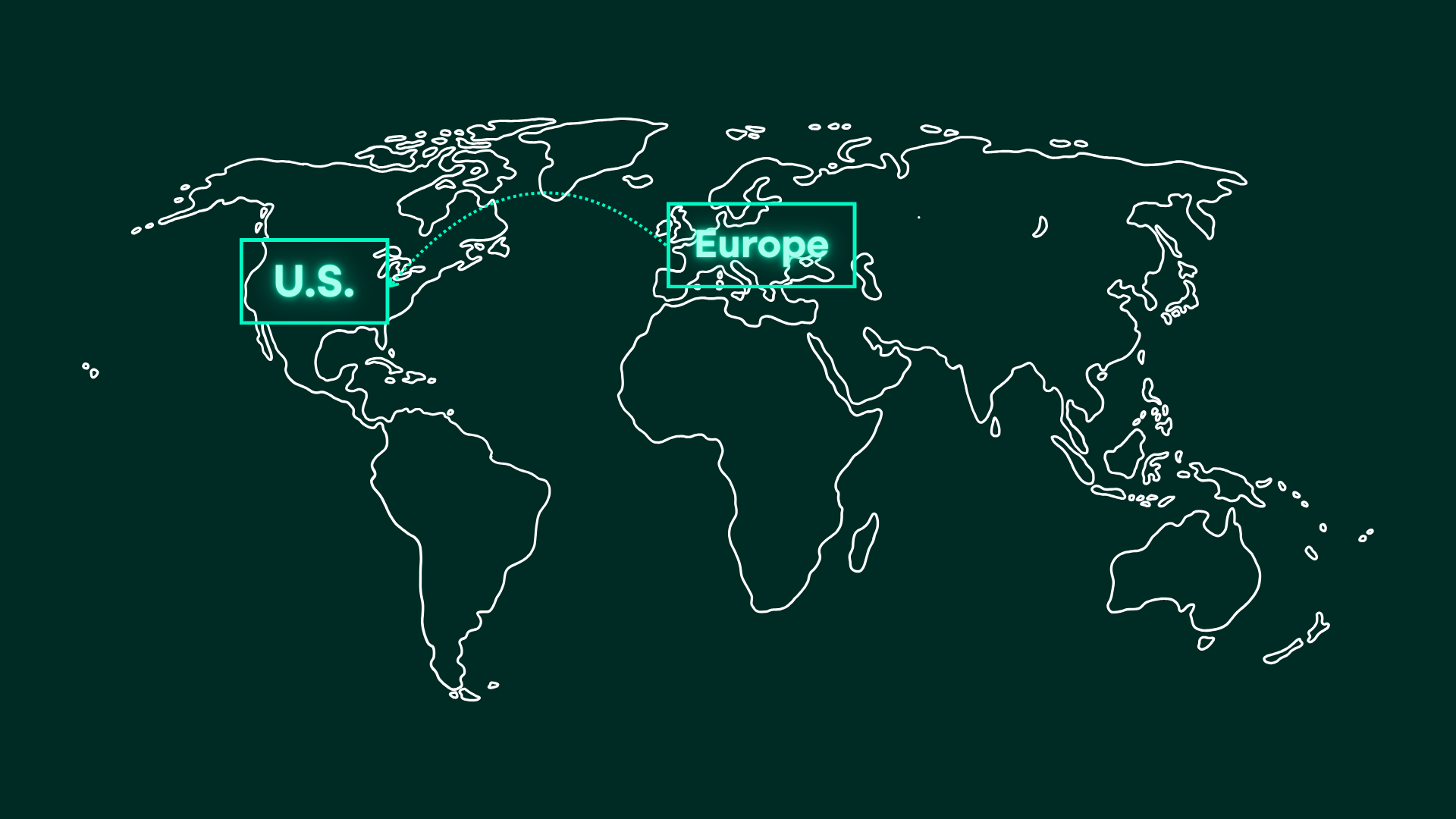
Registration is territorial. A Swiss registration does not protect you in Germany, the EU, or the US. If you are building for an international market, your trademark strategy needs to reflect that from the start.
What happens when you skip registration? A growth company builds a product, invests in marketing and customer acquisition, and then discovers for example at the point of a funding round that the brand cannot be used in a key territory. The cost is not just the rebranding exercise. It is the compliance delays, the customer confusion, the renegotiation of commercial agreements, and in regulated industries like MedTech, the potential interruption of active regulatory submissions.
For companies managing a portfolio of brands or preparing for M&A, unregistered marks in key territories create due diligence risk that can delay or complicate transactions.
IP Ownership: The Freelancer Problem
Here is the default rule that surprises most founders: if a freelancer creates your logo, they own it, unless there is a written agreement that transfers those rights to you.
Therefore, every engagement with an external contributor (be it a freelancer or an external design agency or creative studio) should include a written IP assignment clause, a provision that explicitly transfers copyright and any other relevant IP to the company upon creation or upon payment. LEXR offers a free IP assignment generator (lexr.com/en-ch/generators/) for exactly this purpose.
Confidentiality is a separate but related issue. IP assignment governs ownership of deliverables. Confidentiality provisions govern what a contributor can do with what they learned while working with you: your processes, your customer data, your technical approach. LEXR offers a free NDA generator (lexr.com/en-ch/generators/) for exactly this purpose.
AI-Generated Brands: A Legal Problem Hiding Behind a Design Convenience
AI logo generators have made professional-looking brand assets cheap and fast. The legal exposure that comes with them is less well understood.
An image generated by an AI platform usually does not qualify for copyright, which means you cannot prevent a competitor from using something visually identical if it emerges from the same training data and the same prompt logic.
Since AI image models are trained on shared datasets and reproduce patterns, symbols, and compositional styles at scale, two companies in the same sector, using the same platform with similar briefs, are likely to receive outputs that are functionally indistinguishable. In HealthTech and MedTech branding, the problem is compounded by what those platforms consistently produce: heartbeat lines, stylised crosses, abstract neural network patterns. The category clichés are baked in.
The exposure also runs in the other direction. If your AI-generated logo resembles something a human designer created, you may face a claim even though you generated it independently.
Platform terms add a further layer. Different AI tools take different positions on commercial use rights, exclusivity, and ownership of outputs. Many do not grant full commercial rights for brand applications.
Long story short: AI-generated brand assets carry a risk profile that most founders wouldn’t want to take if they were informed.
In HealthTech and MedTech, Branding Intersects with Regulation
In digital health branding is not only an intellectual property matter. Some decisions carry direct regulatory consequences.
CE marking, batch lot identifiers, and other symbols appear on medical devices and diagnostics for regulatory reasons. They cannot be repurposed as brand elements, used decoratively, or applied to products for which the underlying compliance process has not been completed. Using them incorrectly is not allowed.
For digital health platforms that process personal health data, the GDPR or it’s Swiss equivalent, the Data Protection Act, impose specific requirements on how personal health data is collected, processed, and communicated to users. The privacy notices, consent flows, and data processing disclosures that appear in a product interface are simultaneously a legal compliance requirement and a brand touchpoint. They need to be designed with both in mind, ideally by people who understand both.
Why Early Decisions Compound
A company that rebrands six months post-launch or during a regulatory assessment process faces marketing material replacement, domain and handle migration, packaging redesign, in some cases a corporate name change at the commercial registry and addition cost of potentially restarting the approval process.
The practical sequence:
1. Validate the name before investing in it. Check domain availability, social handles, and trademark viability in your target territories.
2. Use IP assignments. Ensure your contract transfers intellectual property that is created for you to the company.
3. File for trademark registration early. Most jurisdictions operate on a first-to-file basis. File once the name is validated, not after the launch.
4. Align brand, legal, and launch timelines. A product launch that outpaces trademark registration, or a commercial agreement before intellectual property ownership is confirmed, creates compounding exposure.
What LEXR Advises
Strong brands are built through a series of deliberate design and legal decisions. Name validation, IP assignment, trademark filing, regulatory symbol review. They determine whether your brand is an asset you own or a risk you are managing. LEXR advises growth companies and established businesses on trademark registration, IP and regulatory questions that touch brand decisions, in Switzerland, Germany, and across the EU. If these decisions are in front of you, book a free initial call with our IP team: lexr.com/en-ch/contact/